The Room: A Playful Font for Vibrant Designs
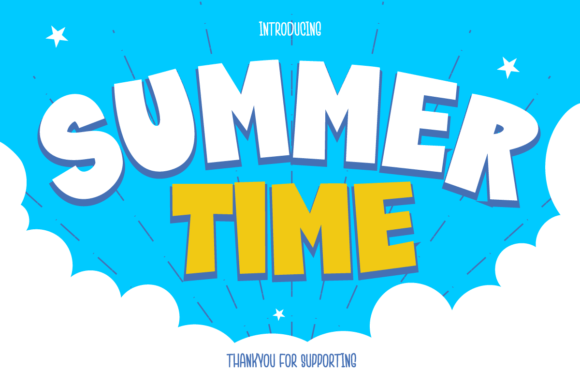
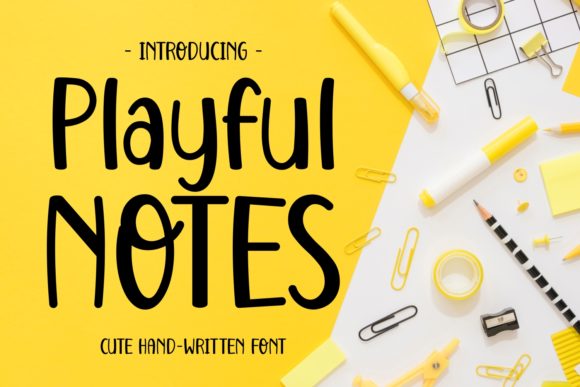
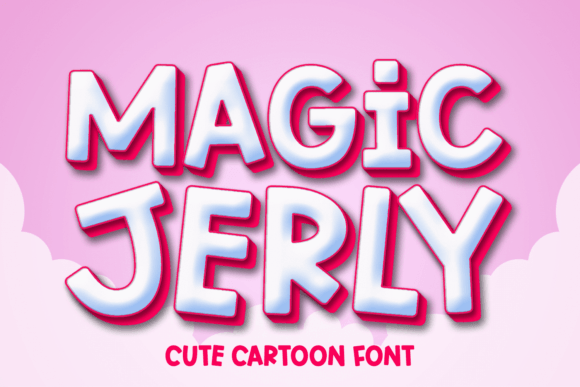
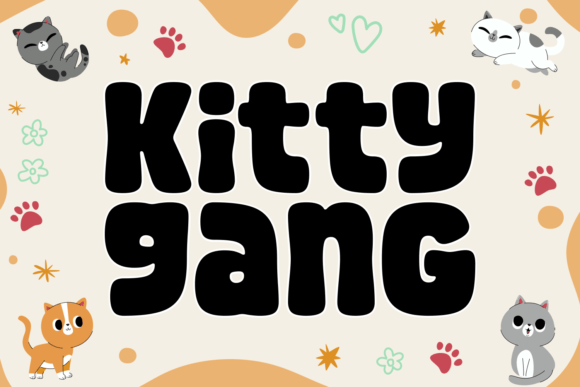
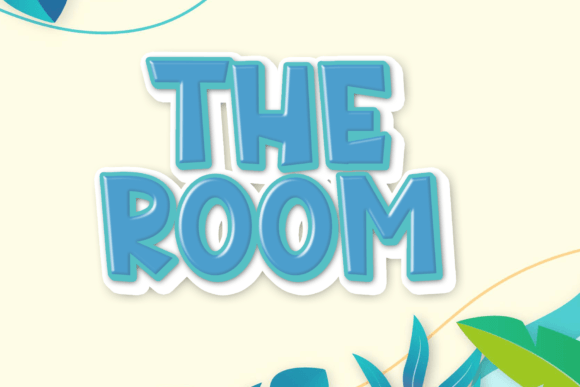
Discovering a typeface that instantly injects personality and joy into a project can transform a good design into a memorable one. The Room is a fun and quirky display font perfect for use on cheerful topics. Very suitable for children’s themed designs, especially when combined with bright colors. This font is PUA encoded which means you can access all of the amazing glyphs and ligatures with ease!
Why Typography Defines Modern Brand Identity
In the realm of graphic design, typography serves as the voice of your visual communication. Selecting the right font is not merely about aesthetics; it is about aligning the typeface with the brand’s personality. When creating a brand identity for a toy store, a daycare center, or a playful mobile app, the visual weight and style of the letters must convey a specific emotion. A stiff, corporate serif font would likely clash with a whimsical theme, whereas a display font like The Room naturally bridges the gap between professional design and playful expression.
Practical Applications for Creative Projects
The versatility of a display font allows it to shine across various creative assets. Because The Room features distinct character shapes and accessible ligatures, it excels in projects requiring high visual impact. Designers can leverage its unique style to create a cohesive visual hierarchy that guides the viewer’s eye while maintaining a lighthearted tone.
Consider integrating this typeface into the following design workflows:
- Logo Design: Create a distinct wordmark that stands out on packaging and merchandise.
- Social Media Graphics: Use bold, readable text for Instagram stories, YouTube thumbnails, or Facebook ads targeting family-oriented demographics.
- Editorial Design: Apply it to pull quotes or section headers in children’s magazines or educational blogs to break the monotony of body text.
- Web Design & UI: Utilize the font for hero section headers or call-to-action buttons to immediately establish a friendly user experience (UX).
Enhancing Visual Hierarchy and User Engagement
Effective visual design relies on managing the viewer's attention. When working with modern aesthetics, contrast is key. Pairing a decorative font like The Room with a clean, neutral sans-serif for body copy creates a balanced composition. This approach ensures readability while allowing the display font to handle the heavy lifting of branding and emotional appeal.
For instance, in digital marketing campaigns or packaging design, the goal is often immediate recognition. The quirky letterforms of The Room can help a product stand out on a crowded shelf or a busy newsfeed. However, designers must always consider scalability. While the font is excellent for headers and large prints, testing it at smaller sizes ensures that the intricate details of the ligatures do not compromise legibility in UI design or mobile interfaces.
Tips for Selecting and Using Creative Assets
When evaluating typography and other creative resources, professional designers look beyond the surface. To ensure a font enhances rather than hinders your project, follow these guidelines:
- Check Compatibility: Ensure the font’s character set supports the languages required for your audience.
- Evaluate PUA Encoding: Fonts like The Room that are PUA encoded are invaluable because they allow access to special glyphs without specialized design software, streamlining the design workflow.
- Test Color Palettes: Playful fonts often respond well to vibrant color palettes. Test how the typeface interacts with gradients or solid bright backgrounds to maximize visual impact.
- Consider Context: A font suitable for a children's birthday invitation may require adjustment for an educational presentation. Context dictates the weight and spacing used.
Ultimately, the success of any visual design project hinges on the thoughtful integration of its components. By prioritizing typography that aligns with the subject matter—such as using a cheerful, accessible font for family-friendly content—designers and creators can significantly improve user engagement. High-quality creative assets are not just decorations; they are essential tools that bridge the gap between a brand’s message and its audience, ensuring the final result is both beautiful and functional.